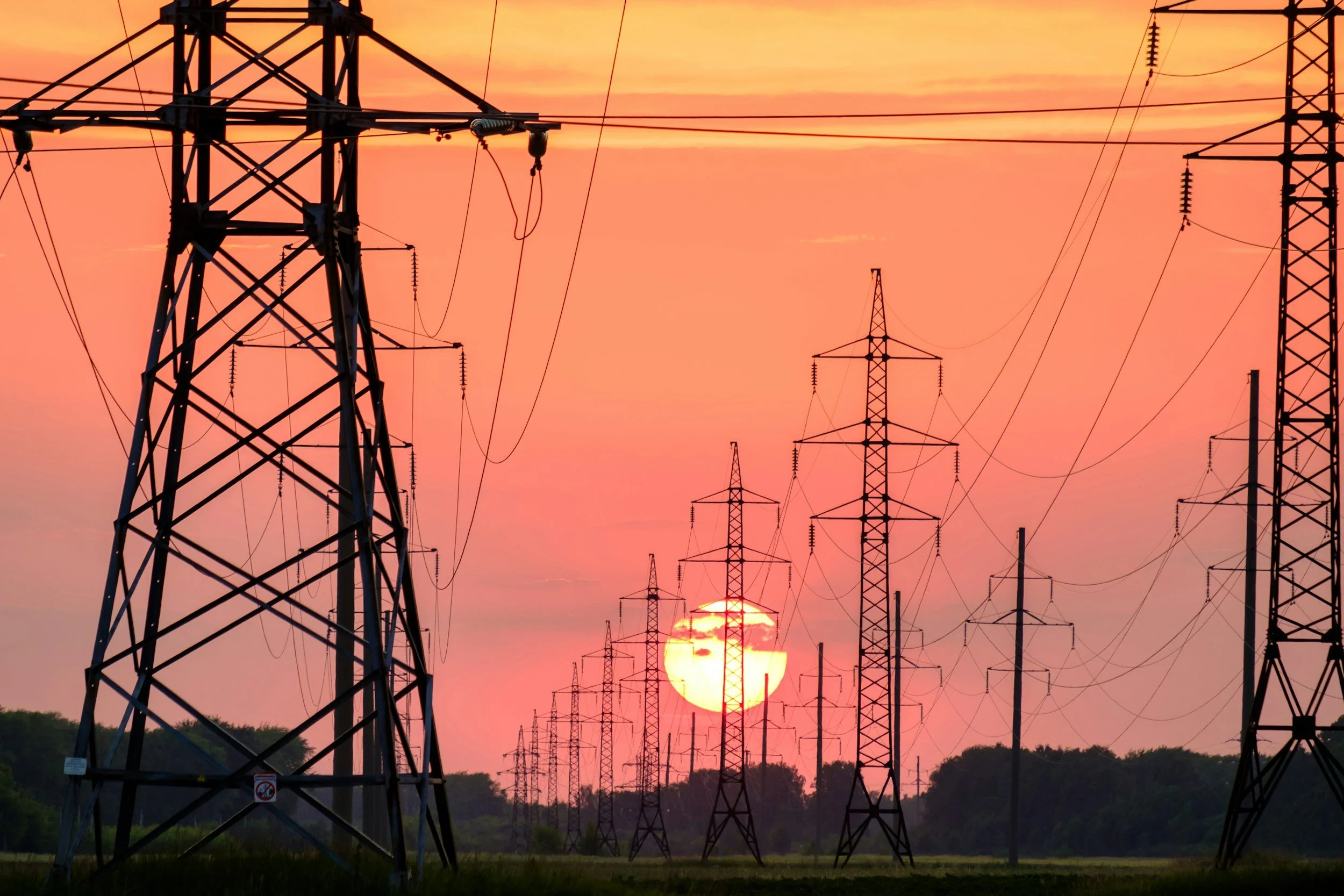
Energy and
Infrustucture
Protecting our Energy and infrastructure
The protection of America's energy and infrastructure is a critical national security priority. The U.S. electric grid powers everything from hospitals to data centers, and its reliability is essential for the functioning of all other critical systems. The White House has launched an urgent response plan to address reliability risks, which could increase 100-fold without immediate action. The energy sector is identified as uniquely critical because it provides an "enabling function" across all critical infrastructure sectors. The Department of Energy (DOE) plays a significant role in protecting the nation's critical energy security by managing the Strategic Petroleum Reserve, investing in protection against cyber and physical attacks, and providing training tools for emergency response and preparedness. The DOE's Office of Cybersecurity, Energy Security, and Emergency Response (CESER) leads day-to-day Federal interface for U.S. energy systems and conducts sector-specific risk management and resilience activities.
house.gov
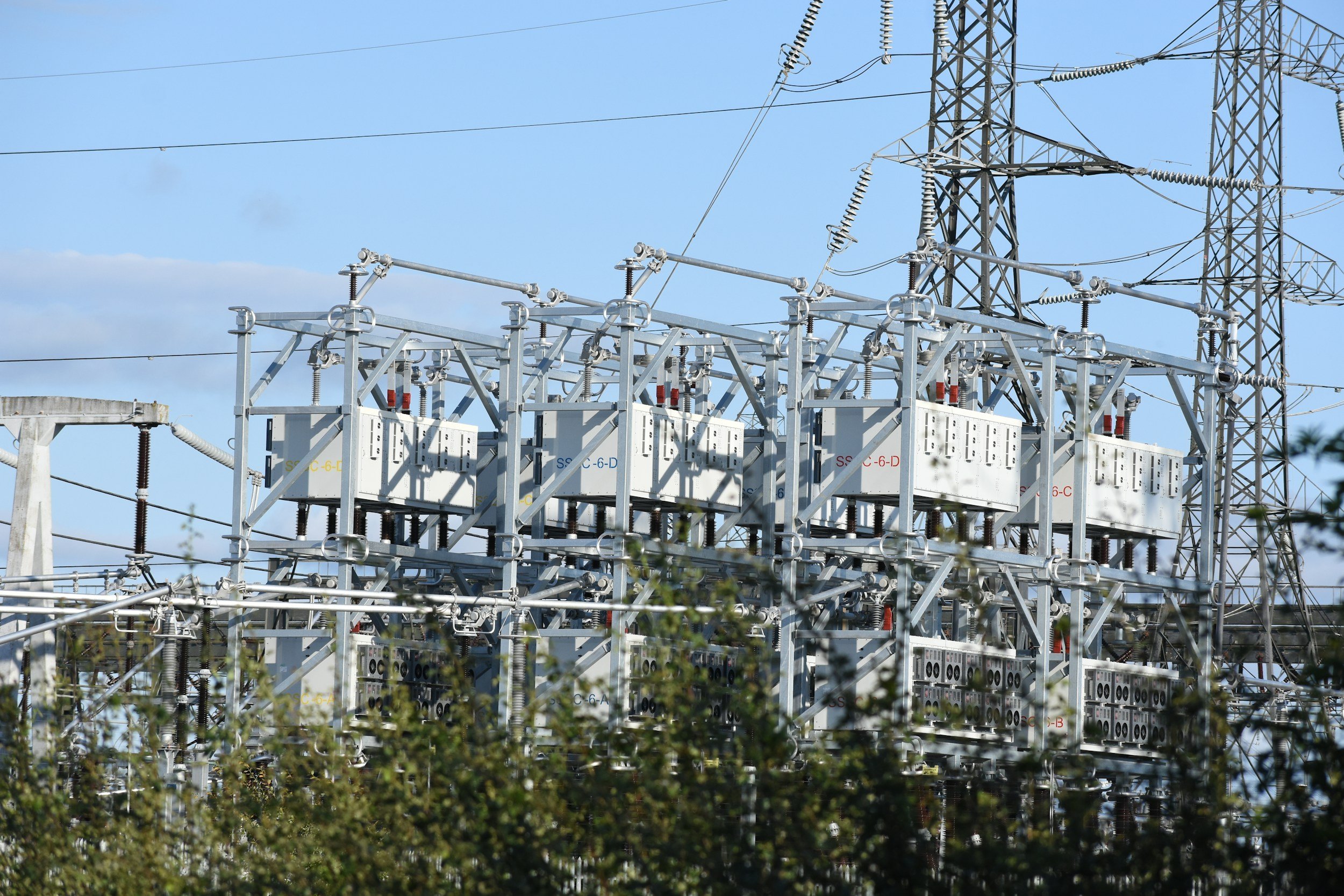
Is America's power grid ready for next attack? Experts warn EMPs, cyber threats and AI could cripple US
Chinese hackers already positioned in American critical systems, cyber experts warn
By Morgan Phillips Fox News
While the Trump administration issued an executive order directing federal agencies to prepare for such an event, Bort said implementation has been inconsistent and fragmented.
"We are not prepared for this at all," he warned.
Forstchen expressed optimism that the administration’s "Golden Dome" project, a proposed ground-and space-based defense system, could intercept EMP threats – but the project remains years from completion.
While EMP attacks remain the stuff of both national security nightmares and Hollywood scripts, experts say cyberattacks are far more probable and potentially just as destructive. (Kurt "CyberGuy" Knutsson)
Cyber attacks: The more likely threat
While EMP attacks remain the stuff of both national security nightmares and Hollywood scripts, experts say cyberattacks are far more probable and still highly destructive.
"We know that the Chinese have been in the American civilian critical infrastructure since 2010," Bort said. "They haven’t done anything yet, but they are absolutely in there and setting up to do something at some point."
This week, Reuters reported that U.S. officials found communication modules embedded in Chinese-made power inverters – devices used to connect solar panels and wind turbines to the grid.
Bort pointed to "Jack Voltaic," a multi-year cyber warfare simulation by the Army Cyber Institute, designed to test military-civilian coordination in response to attacks on critical infrastructure.
"What we found is there’s a great interdependence," he said. "You can’t even have an electric grid if you don’t have water – because you can’t cool it."
Bort said cyberattacks are often the product of long-term reconnaissance, with hackers quietly positioning themselves inside systems for months or years.
"A cyberattack is not something where Putin says, ‘Hey, hit Detroit tomorrow,’" he explained. "It’s already set in place. When the political situation calls for it, that’s when the trigger gets pulled."
EMP: The catastrophic potential that looms
An EMP is a sudden burst of electromagnetic energy capable of disabling electronic devices across vast areas. It can be natural – from a solar flare – or man-made, triggered by a high-altitude nuclear detonation.
Unlike cyberattacks that target software, an EMP disables physical systems: from car engines and cellphone towers to hospital generators and water pumps. A major attack could throw society back to the pre-electric age, with devastating consequences.
Former CIA Director James Woolsey once called EMPs "one of the greatest national vulnerabilities," and some estimates suggest an EMP could result in the deaths of up to 90% of Americans within a year due to the collapse of infrastructure.
"The very first thing you’ve got to lose is your water supply," said Dr. William Forstchen, a longtime EMP researcher. "Within days, nursing homes, hospitals, law enforcement – they’re all in deep trouble."